
If you’re in the market for a new leather wallet, keychain, journal, or belt, you’ve probably noticed that there are two main types of stitching: handstitched and machine stitched. But what’s the difference between the two, and does it really matter which type of stitching you choose? Let’s take a closer look.
The Elegance of Handstitching
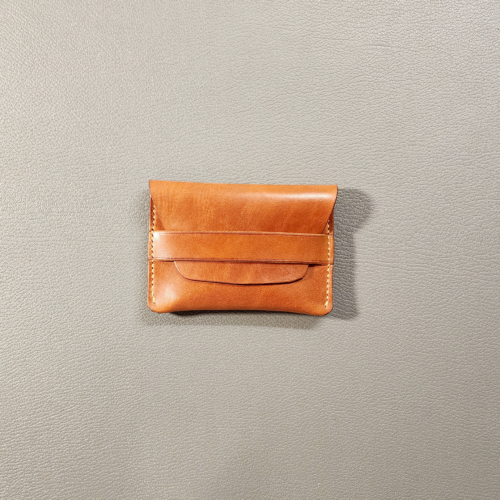
Handstitching is the process of sewing leather by hand using two needles on one piece of thread. It’s a more labor-intensive process than machine stitching, but it results in a higher-durability and more elegant product.
Handstitched leather products are more durable and have a higher longevity than those that are machine stitched. They also have a more luxurious appearance and feel, which makes them ideal for high-end products such as belts, bags, and wallets. However, because hand stitching is more time-consuming, products that are made with this method are usually more expensive than their machine-stitched counterparts.
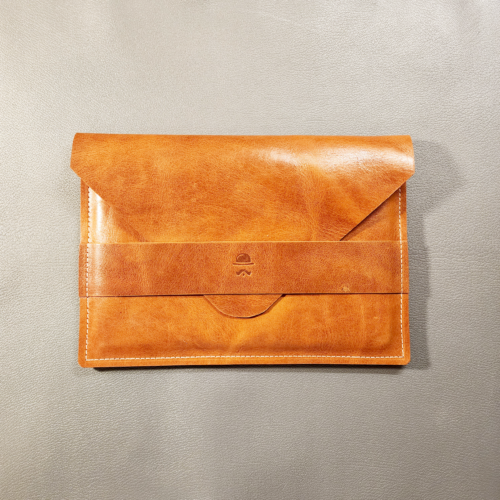
A hand stitched journal cover takes approximately 1 hour to stitch by hand, the same journal takes 5 minutes to stitch on a machine.
The Speed of Machine Stitching
Machine stitching is the process of sewing leather using a sewing machine. This method is faster than hand stitching and therefore less expensive. While they don’t have the same luxurious look and feel as handstitched leather products, they’re still attractive in their own right. You can see the difference between the two types of stitching on this piece of leather below.
The top section (straight line) is made by machine. The bottom (slanted) stitch is made by hand.

Beyond looks and feel, the biggest difference between the two is strength. Hand stitched products are extremely durable. If a piece of the thread wears out and breaks, you can burn the edge of the thread and not run into any issues. Your product will often last for years after. If a piece of the thread breaks on a machine stitched product, the product can fully come apart. Machine threads are made out of nylon or polyester, it’s a lot more resistant to prevent this from happening.
The reason why: Without getting too technical, is that hand stitching ties a “knot” in between every stitch. A machine ties a loose loop. In short, machine-made products are not as durable and won’t last as long, but if you take good care of them, they can still give you years of use.
We offer both types of stitching based on the project, length, and client preferences. You’ll see some options below your order when hand stitching is available for a product.
So, which is better—hand stitched or machine stitched?
That depends on what you’re looking for in a product. If you want something that’s going to last for many years to come and has a luxurious look and feel, then handstitched is the way to go. However, if you’re on a budget and don’t care too much about the stitch lines, then machine stitched will suffice. Whichever route you choose, we have you covered!